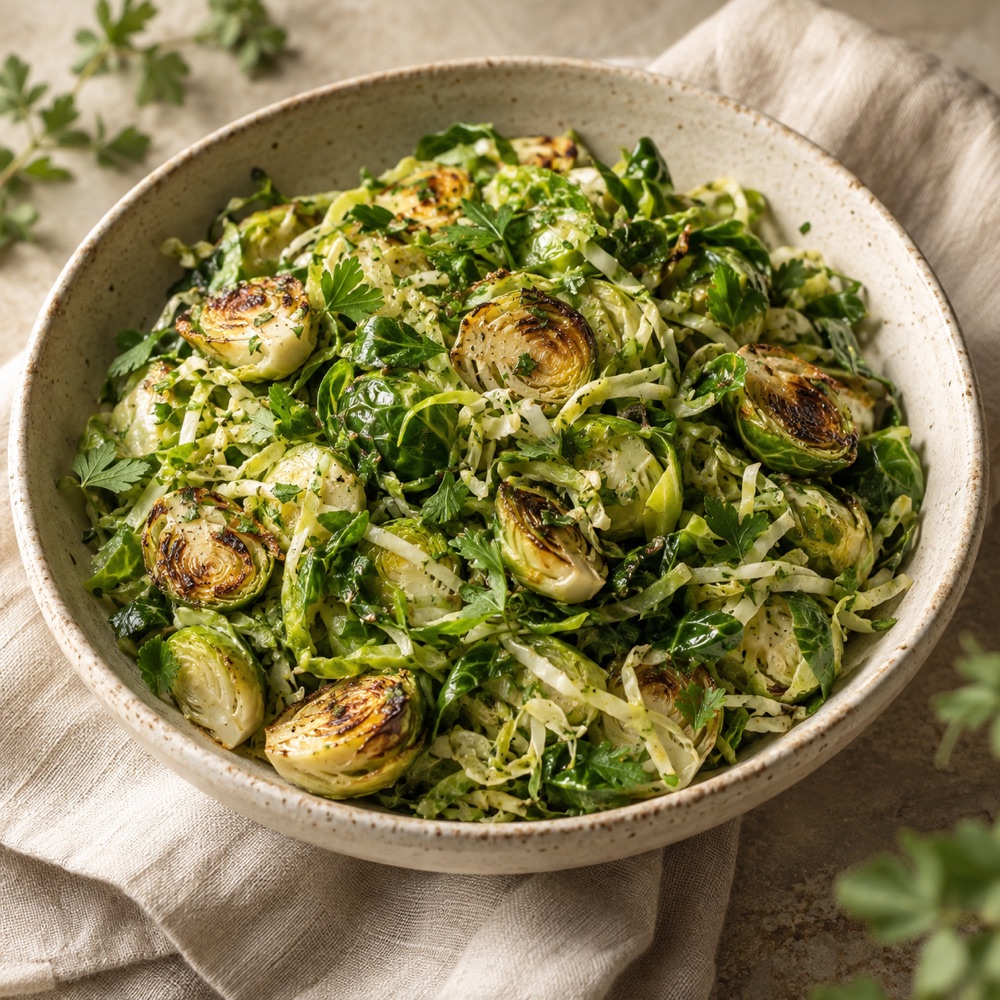
A useful way to meal prep vegetables is to prepare a few versatile components, then combine them with different mains through the week. Choose vegetables you enjoy, keep some finishes separate, and plan which portions you’ll eat soon and which you’ll freeze.
Start with three dinners you already make
Before buying a mountain of produce, write down a few meals that actually happen in your kitchen. Eggs and toast. Tofu and rice. Fish and potatoes. Your vegetable prep should fit those dinners. A beautifully organized fridge is less useful if none of its contents go with what you feel like eating.
Pick two or three components with different jobs: something green, something colorful and a hearty base. That could mean broccoli, roasted carrots and lentils, or Brussels sprouts, beets and a grain salad. These are starting points you can adjust to your taste, appetite and dietary needs.
Give each component more than one job
| Your component | One dinner | Another way to use it |
|---|---|---|
| A green vegetable | Beside eggs or fish | Fold into a warm grain bowl |
| Roasted beets or carrots | With your usual main and potatoes | On toast with a spread you enjoy |
| Beans, lentils or a grain base | Under tofu and vegetables | As part of a lunch with herbs and dressing |
You don’t need every ingredient to be perfectly neutral. A lemony vegetable dish can work with several mains. The useful distinction is between seasoning you enjoy repeatedly and a finish you would rather vary.
Keep the finishing touches flexible
Store crisp toppings separately when appropriate, and add them when you serve. A handful of herbs, toasted seeds or a fresh squeeze of citrus can change the feeling of the same cooked base. Check ingredient and allergen information on sauces, dressings and toppings, especially when cooking for someone else.
Think about the reheating method too. A dish designed to be tender may be happy in a covered microwave-safe container. A dish where crisp edges matter may need a different approach. Follow the recipe or package directions; reheating times vary with portion size and equipment.
Plan the fridge and freezer before you fill them
For cooked leftovers at home, USDA recommends refrigerating within two hours, or one hour above 90°F. Divide large amounts into shallow containers, keep the refrigerator at 40°F or below, and use refrigerated leftovers within three to four days. Reheat leftovers to 165°F, checked with a food thermometer. USDA leftover guidance ↗
That means a Sunday prep session should not automatically become five days of refrigerated dinners. Plan a second prep session, or freeze suitable portions promptly for later. Date containers and choose portions you will realistically use. For purchased food, follow its specific label and handling instructions; a homemade-leftover timetable does not establish a commercial product’s shelf life.
A small plan for a less demanding week
- Choose the mains. Start with three dinners you already know how to make.
- Choose the vegetable components. Match each to at least two of those dinners.
- Decide what to cook and what to buy prepared. Save effort where it makes the biggest difference to you.
- Label and portion. Make the next meal easy to find, and plan storage while the food is fresh.
- Leave room to change your mind. Keep finishes flexible and avoid building a week around a dish you only want once.
When you’d rather skip the chopping
Prepared sides can take over the vegetable part while you keep making your usual mains. MōrVeg is developing generous packs of chef-cooked vegetables and bases for that kind of dinner. You choose the dishes you’d like to try; we’ll send an invitation when we’re ready for your ZIP.
See how prepared sides work, or build your first box. The sample menu is still taking shape; final ingredients and storage instructions will be supplied before ordering.